
Introduction
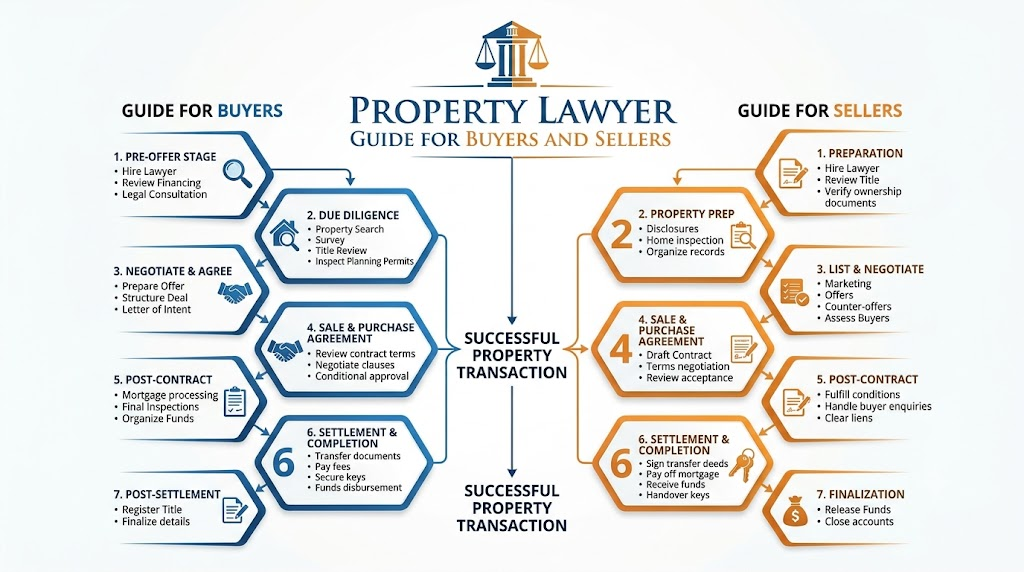
Buying or selling a home brings big worries. People often stress over huge money transfers and complex paperwork. A small mistake can cost you a lot of cash. This Property Lawyer Guide for Buyers and Sellers helps you understand the legal steps. Smart buyers and sellers learn the rules before they sign any papers. A property lawyer protects your rights during every step of the deal.
What Is a Property Lawyer?
A property lawyer is a legal expert in real estate rules. They study land laws and local housing codes. A real estate lawyer helps you check titles and draft safe contracts. They guide you through property registration and solve boundary disputes. Their main job is to keep your investment safe from fraud. Legal help gives you peace of mind before you spend your savings.
Why Buyers and Sellers Need a Property Lawyer
Buyers and sellers face different legal hurdles in every transaction. Buyers worry about hidden loans, bad titles, and unpaid taxes. Sellers worry about valid ownership proof and delayed buyer payments.
Property legal advice can spot these hidden traps early. Early checks save you from court battles and lost money. Not every small deal needs a court lawyer, but expert review prevents costly errors.
How a Property Lawyer Helps Buyers
Buying a house involves more than just paying the seller. A property lawyer for buyers handles vital checks to secure your funds. They protect you from buying disputed land or fake plots.
Checking Property Ownership
Checking who legally owns the land is a vital first step. A lawyer reviews old sale deeds to trace the true owner. Inherited or shared properties need careful checks to avoid future claims. Keep in mind that a single paper does not guarantee clear ownership.
Reviewing Property Documents
Buyers must inspect all paperwork linked to the house. Lawyers check sale deeds, municipal tax receipts, and approved building plans. The required papers vary based on local laws and property types.
Checking Loans, Claims, and Disputes
Properties often carry hidden bank loans or court cases. A lawyer runs public searches to find unpaid mortgages or legal claims. These record searches have limits, so ask your lawyer about suitable checks.
Reviewing the Sale Agreement
A sale agreement sets the rules for the property transfer. Lawyers ensure the price, payment schedule, and terms are fair. They check refund clauses if the deal falls through.
Supporting Registration
Property registration transfers legal ownership into your name officially. Lawyers check the final deed and explain the local office steps. Registration rules and fees vary depending on your city or state.
How a Property Lawyer Helps Sellers
Sellers also face strict legal duties during a property sale. A property lawyer for sellers ensures a smooth transfer of ownership.
Preparing Property Documents
Sellers must gather all official records before listing a home. This includes ownership deeds, tax paid receipts, and identity papers. Ask a lawyer which exact documents apply to your property.
Checking Ownership and Other Rights
Sellers must prove they hold the legal right to sell. Jointly owned homes need consent from all registered owners. One person cannot sell property owned by multiple people without written permission.
Reviewing Offers and Sale Terms
Sellers should evaluate the buyer’s offer and payment plan carefully. A lawyer checks the price, payment timeline, and possession dates. Clear written terms prevent future misunderstandings between both parties.
Handling Loans and Outstanding Dues
Sellers must clear any existing bank loans on the property. A lawyer explains how to settle dues using the sale proceeds. The exact settlement process depends on bank rules and local regulations.
Completing the Sale
Closing a deal requires signing the final sale deed and handing over keys. Lawyers oversee the payment records and final registration steps. Every sale has unique steps based on the parties involved.
Important Property Documents Buyers and Sellers Should Know
Real estate deals involve many complex legal papers. A sale deed transfers actual ownership from seller to buyer. Earlier ownership documents show the history of the land. A sale agreement outlines the future transaction terms.
Property tax receipts prove all past dues are paid. Approved building plans show the structure follows local zoning laws. Mortgage records reveal if any bank holds rights to the property. Identity papers confirm who is buying or selling.
Registration records show the deal is logged with the state. No single checklist fits every property deal. Required documents change based on local laws and property types.
Common Property Risks a Lawyer May Help Identify
Property deals carry many hidden risks for buyers and sellers. Unclear ownership can trap your money in long court battles. Missing paperwork can stop loan approvals or future sales. Unpaid bank loans or tax dues become your burden later. Disputed boundaries often lead to fights with neighbors.
False claims from distant relatives can ruin a peaceful home purchase. Legal checks help reveal these dangers before you sign anything. Never ignore warning signs just because a house looks cheap. A lawyer cannot find every single risk, but expert eyes lower your chances of loss.
Questions to Ask Before Hiring a Property Lawyer
Finding the right expert requires asking direct questions. Here are ten questions to ask before hiring legal help.
- Have you handled property deals like mine?
- What documents will you review?
- Which legal checks do you recommend?
- What will your service include?
- What are your fees and payment terms?
- Are there any extra costs?
- How long may the legal review take?
- Will you explain any risks you find?
- Can you help review the sale agreement and final deed?
- How will you update me about the work? These questions clarify the lawyer’s experience, scope, and fees. Choose someone who fits your specific real estate needs.
How to Choose the Right Property Lawyer
Selecting a good lawyer takes careful comparison and research. Look for lawyers with deep local property knowledge. Check their professional background and past real estate work. Ask about clear fees and exact services included in the price. Good communication is vital for a smooth legal process. Do not pick a lawyer based solely on the lowest fee. Reliable legal guidance protects your hard-earned money.
Common Mistakes to Avoid During a Property Deal
Buyers and sellers often make avoidable mistakes during deals. Signing papers without reading them is a dangerous habit. Skipping document verification can lead to total financial loss. Paying money before understanding the agreement terms is risky.
Relying on verbal promises instead of written clauses causes disputes. Ignoring unpaid property taxes or utility dues creates trouble later. Always keep safe copies of important papers and payment receipts. Ask a professional to explain any confusing contract terms.
How BestLawyerNow Can Help You Find Legal Support
BestLawyerNow connects users with qualified legal professionals easily. The official website offers digital tools to find verified property lawyers. You can explore consultation options and review lawyer profiles online. If you need property legal services, search the platform for suitable experts. Review lawyer experience, office location, and service fees directly. BestLawyerNow makes finding reliable guidance simple and stress-free.
Property Deal Checklist for Buyers and Sellers
Use this simple checklist before completing your property transaction.
- I understand who owns the property.
- I have reviewed the important property documents.
- I have asked about loans, claims, or restrictions.
- I understand the sale price and payment terms.
- I have reviewed the sale agreement.
- I know which documents are needed for registration.
- I understand the duties of both sides.
- I have asked a property lawyer about unclear issues.
- I have kept copies of important documents.
- I have checked the rules that apply to this property. This list serves as a starting point for your deal. It does not replace a full professional legal review.
Frequently Asked Questions
- What does a property lawyer do? A property lawyer reviews documents, checks titles, and ensures lawful real estate transactions.
- Do buyers need a property lawyer? Buyers benefit greatly from legal checks to avoid fraud and unverified titles.
- Can a property lawyer help someone selling a house? Yes, they help sellers clear titles, draft sale terms, and verify buyer payments.
- Which documents should a property lawyer check? They inspect sale deeds, tax receipts, approved plans, and encumbrance records.
- What is a property title check? It is an investigation to verify the legal owner of a real estate asset.
- Can a lawyer help identify property disputes? Lawyers check court records and land registries to spot active legal disputes.
- When should I contact a property lawyer? Contact a lawyer before signing any agreement or paying token money.
- How much does a property lawyer charge? Fees vary based on the complexity, location, and scope of legal work.
- Can a property lawyer help with sale deed registration? Yes, they guide you through registration rules and final deed execution.
- How can BestLawyerNow help me find a property lawyer?BestLawyerNow connects you with certified legal experts for online and offline consultations.
Conclusion
Navigating a real estate transaction requires careful attention to detail. This Property Lawyer Guide for Buyers and Sellers highlights key legal steps. Property lawyers help verify ownership, check documents, and protect your interests. Always ask questions and review paperwork before signing any contracts. Real estate laws differ by location, so seek tailored advice. Explore BestLawyerNow.com today if you need trusted legal support.