
Introduction
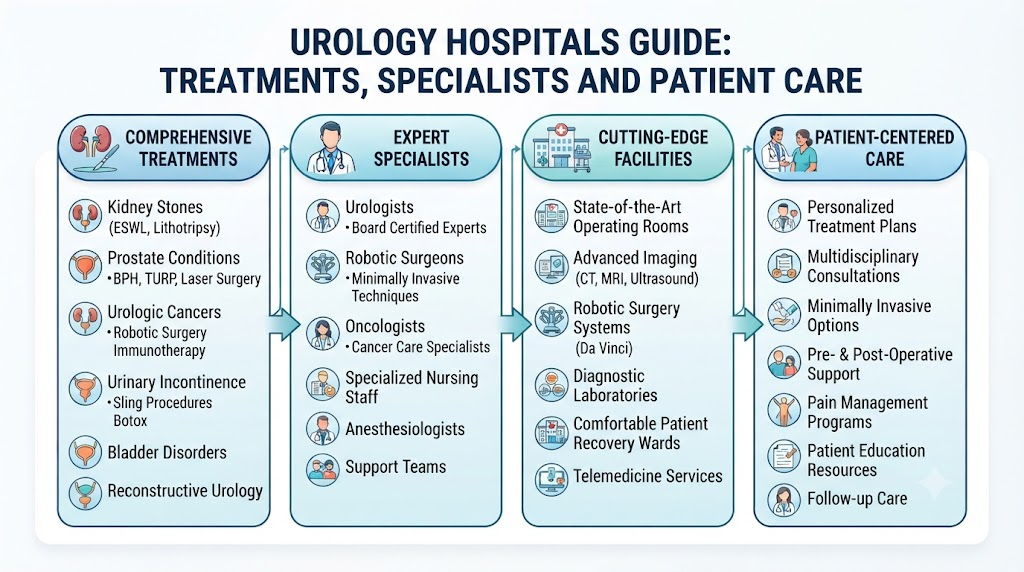
Finding the right medical care for urinary and reproductive health concerns requires clear guidance, reliable resources, and a strong understanding of available options. UrologyHospitals.com serves as an informative healthcare resource designed to help patients navigate urological conditions, diagnostic procedures, specialized medical interventions, and hospital selection. Whether an individual is researching symptoms of a urinary tract infection, looking into kidney stone management, or exploring advanced surgical options, understanding how urological care works is the first step toward better health outcomes.
Understanding Urology and Modern Healthcare Services
Urology is a specialized branch of medicine that focuses on diseases and conditions of the urinary tract in both men and women, as well as the male reproductive system. The organs involved include the kidneys, ureters, bladder, urethra, and adrenal glands, along with the prostate, testicles, penis, and scrotum in males. Because these systems are vital for fluid filtration, waste removal, hormone production, and reproduction, any disruption can significantly impact daily well-being. Navigating this field involves understanding the infrastructure of specialized medical facilities. Specialized clinics and medical centers provide comprehensive infrastructure ranging from basic diagnostic imaging to advanced surgical theaters. Through platforms like UrologyHospitals.com, patients can better understand what specialized facilities offer, how care is structured, and what factors matter most when evaluating a healthcare provider. Effective treatment depends heavily on accurate diagnosis, timely intervention, and the expertise of qualified medical professionals.
Common Symptoms and Warning Signs in Urological Health
Urological conditions often manifest through specific physical signs. Recognizing these symptoms early can prompt individuals to seek timely medical evaluation before a condition progresses. Common warning signs include:
- Pain or Burning: Discomfort or a burning sensation during urination (dysuria), which frequently indicates inflammation or infection.
- Urinary Frequency and Urgency: An unusually high need to urinate or a sudden, uncontrollable urge to empty the bladder.
- Hematuria: The presence of blood in the urine, which may appear pink, red, or cola-colored and requires prompt investigation.
- Altered Stream: Difficulty starting urination, a weak urine stream, or stopping and starting repeatedly.
- Incontinence: Involuntary leakage of urine or difficulty controlling bladder function.
- Pelvic or Flank Discomfort: Persistent aching or sharp pain in the lower abdomen, lower back, or side (flank), which can point toward kidney or bladder issues.
- Systemic Signs: Fever, chills, or fatigue when accompanied by urinary symptoms, often signaling an acute infection.
It is important to understand that symptoms alone do not confirm a diagnosis. Similar physical signs can arise from completely different underlying medical issues, ranging from mild inflammation to chronic disease. Professional evaluation through diagnostic testing is essential to determine the exact cause.
Causes and Risk Factors for Urological Disorders
The development of urological conditions is influenced by a combination of anatomical, genetic, lifestyle, and environmental factors. While some conditions arise unexpectedly, others develop gradually over time.
- Age-Related Changes: Aging frequently affects the prostate gland in men and pelvic floor support in women, contributing to conditions like benign prostatic enlargement or overactive bladder.
- Genetics and Family History: Certain conditions, such as kidney stones or specific urological malignancies, can run in families, increasing individual risk.
- Lifestyle Habits: Inadequate fluid intake, high sodium consumption, smoking, and sedentary routines contribute significantly to kidney stone formation and bladder health issues.
- Underlying Medical Conditions: Chronic illnesses like diabetes, hypertension, and neurological disorders frequently impact nerve signals and blood vessels controlling bladder and kidney function.
- Anatomical Factors: Structural variations in the urinary tract can predispose individuals to recurrent infections or blockages.
Distinguishing between modifiable lifestyle habits and fixed risk factors helps patients and medical teams focus on preventive strategies and early risk management.
Diagnosis and Medical Evaluation
Accurate diagnosis forms the foundation of effective medical management. When a patient consults a specialist, a structured evaluation process helps pinpoint the underlying issue. Depending on the symptoms presented, the diagnostic workflow may include:
- Medical History and Physical Examination: A detailed review of symptoms, past medical history, medications, and targeted physical assessments, such as a digital rectal examination for prostate evaluation.
- Urinalysis and Urine Culture: Laboratory analysis of urine samples to check for blood, protein, white blood cells, and infectious bacteria.
- Blood Tests: Evaluating kidney function through markers like serum creatinine and blood urea nitrogen (BUN), or checking prostate-specific antigen (PSA) levels when indicated.
- Imaging Studies: Non-invasive or contrast-enhanced scans, including renal ultrasound, computed tomography (CT) scans, and magnetic resonance imaging (MRI), to visualize kidney stones, blockages, or structural abnormalities.
- Cystoscopy: A specialized procedure where a thin, lighted scope is inserted through the urethra to inspect the interior lining of the bladder and urethra directly.
- Urodynamic Testing: Assessments measuring how well the bladder stores and releases urine, helpful for diagnosing voiding dysfunctions.
Each diagnostic tool serves a specific purpose, allowing clinicians to gather objective data before recommending a management plan.
Urology Treatment Approaches
Management strategies vary widely based on the specific condition, its severity, and the patient’s overall health profile. Treatment is rarely a one-size-fits-all approach and typically falls into several key categories:
- Active Surveillance: Monitoring stable, slow-progressing conditions through regular check-ups and testing without immediate invasive intervention.
- Medical Therapy: Utilizing prescription medications—such as antibiotics for infections, alpha-blockers for prostate symptoms, or specialized medications to alter urine chemistry.
- Minimally Invasive Procedures: Utilizing advanced technology to treat conditions through natural orifices or tiny incisions, reducing recovery times compared to traditional open surgery.
- Surgical Intervention: Open or specialized surgical procedures required for complex anatomical corrections, trauma repair, or tumor removal.
Treatment Comparison Overview
| Treatment Option | Common Application | Potential Benefits | Important Considerations |
| Conservative Management | Mild symptoms, early-stage conditions, stable findings | Avoids procedural risks, preserves normal anatomy | Requires strict adherence to follow-up schedules and monitoring |
| Medical Therapy | Infections, symptomatic benign enlargement, early stone management | Non-invasive, effective for symptom control | Potential for side effects; requires ongoing medication use |
| Surgical & Procedural Care | Obstructions, large stones, malignancies, advanced disease | Addresses structural root causes, provides definitive treatment | Involves recovery periods, procedural risks, and post-treatment care |
Role of Urology Specialists in Diagnosis and Treatment
Specialized medical care requires physicians who have completed extensive training focused specifically on the urinary and reproductive tracts. These experts manage a diverse spectrum of medical and surgical needs.
The responsibilities of these practitioners extend far beyond performing operations. They evaluate complex symptoms, interpret advanced diagnostic imaging, develop tailored management strategies, and educate patients on long-term preventive care. When complex cases arise—such as advanced malignancies or multi-system chronic illnesses—specialists collaborate closely with oncologists, nephrologists, radiologists, and primary care providers to ensure a coordinated, multidisciplinary approach.
Kidney Stone Treatment
Kidney stones are hard mineral and salt deposits that form inside the kidneys and can travel down the urinary tract, causing intense pain. Symptoms often include severe, fluctuating pain in the back or side, blood in the urine, nausea, and frequent urination.
Management depends heavily on the size, composition, and location of the stone:
- Conservative Passage: Small stones often pass naturally with increased fluid intake and pain management medications prescribed by a clinician.
- Shock Wave Lithotripsy (SWL): A non-invasive procedure that uses acoustic shock waves to break large stones into smaller fragments that can pass easily in the urine.
- Ureteroscopy: A procedure where a narrow scope is passed through the urinary tract to locate and fragment stones using laser energy.
- Percutaneous Nephrolithotomy (PCNL): A minimally invasive surgical removal technique reserved for very large or complex stones located directly within the kidney.
Hydration, dietary modifications, and metabolic evaluations are crucial components of ongoing prevention guidance to reduce the likelihood of recurrence.
Prostate Cancer Treatment
Prostate cancer is one of the most common malignancies affecting men. Because prostate cancer can grow at vastly different rates—ranging from very slow-growing to aggressive—management strategies are highly individualized.
Key approaches include:
- Active Surveillance: Regularly monitoring low-risk cancer through periodic PSA tests, imaging, and biopsies without immediate treatment.
- Surgical Removal: Radical prostatectomy, which involves removing the prostate gland and surrounding tissues, performed via traditional or advanced robotic techniques.
- Radiation Therapy: Utilizing high-energy rays or radioactive seeds implanted directly into the gland to destroy cancer cells.
- Systemic Therapies: Hormone therapy, chemotherapy, or targeted drug treatments used when cancer is advanced or has spread beyond the local area.
Treatment decisions depend heavily on cancer stage, histologic grade, risk category, patient age, overall health status, and personal preferences regarding potential side effects.
Enlarged Prostate Treatment
Benign prostatic hyperplasia (BPH), or an enlarged prostate, is a common condition as men age. As the prostate enlarges, it can squeeze the urethra, leading to bothersome lower urinary tract symptoms such as weak streams, nighttime waking, and incomplete bladder emptying.
Management options range based on symptom severity:
- Watchful Waiting: Regular monitoring for mild symptoms that do not significantly impact quality of life.
- Pharmacological Management: Medications designed to relax smooth muscle tissue in the prostate and bladder neck or shrink the prostate gland over time.
- Minimally Invasive Treatments: Procedures utilizing thermal energy, water vapor therapy, or temporary implants to open the urinary channel without major surgery.
- Surgical Options: Procedures like transurethral resection of the prostate (TURP) or laser enucleation to remove excess prostate tissue blocking urine flow.
It is essential to distinguish benign prostatic enlargement from prostate cancer, as both can cause overlapping urinary symptoms but require entirely different diagnostic and management paths.
Urinary Tract Infection Treatment
Urinary tract infections (UTIs) occur when bacteria enter the urinary tract, leading to inflammation and discomfort. Common signs include a strong, persistent urge to urinate, a burning sensation during urination, cloudy or strong-smelling urine, and pelvic pressure.
Diagnosis typically involves urinalysis and urine cultures to identify the specific bacterial pathogen. General management principles include:
- Antimicrobial Therapy: Prescribed courses of antibiotics tailored to the specific type of infection. Healthcare professionals emphasize completing the full prescribed course, even if symptoms resolve early.
- Hydration: Increasing fluid intake to help flush bacteria from the urinary tract.
- Recurrent Infection Evaluation: Investigating underlying anatomical or functional factors if infections occur repeatedly.
Patients experiencing high fever, severe flank pain, or systemic illness require urgent medical attention, as infections can ascend to the kidneys.
Bladder Cancer Treatment
Bladder cancer begins in the cells lining the inside of the bladder. The most common initial sign is painless blood in the urine, sometimes accompanied by changes in urinary habits or pelvic pain.
Diagnosis frequently relies on cystoscopy, urine cytology, and biopsy of suspicious lesions. Treatment protocols are determined by how deeply the cancer has invaded the bladder wall and whether it has spread:
- Transurethral Resection of Bladder Tumor (TURBT): A procedure used to diagnose and remove superficial tumors from the bladder lining.
- Intravesical Therapy: Delivering medications directly into the bladder via a catheter to treat localized disease or reduce recurrence risk.
- Radical Cystectomy: Surgical removal of all or part of the bladder, often accompanied by urinary diversion procedures when cancer is muscle-invasive.
- Systemic Treatment: Chemotherapy, immunotherapy, or radiation therapy used in advanced or metastatic cases.
Follow-up and ongoing surveillance cystoscopies are vital components of long-term bladder cancer care.
Robotic Urology Surgery
Robotic-assisted surgery represents a major technological advancement in urological procedures, particularly for complex operations involving the prostate, kidney, and bladder. In this approach, the operating surgeon sits at an ergonomic console, viewing a high-definition 3D visualization system while controlling specialized robotic instruments with high precision.
While robotic technology offers benefits such as enhanced dexterity, smaller incisions, reduced blood loss, and shorter recovery times, it is not a standalone solution. The success of any procedure depends heavily on the training, skill, and experience of the operating surgeon, as well as the overall capabilities of the hospital facility.
Choosing the Right Urology Hospital
Selecting an appropriate medical facility is a critical step in managing urological health. When evaluating options, patients and their families should consider several practical factors:
- Specialist Expertise: The presence of board-certified urologists with specific experience in treating the patient’s exact condition.
- Diagnostic Capabilities: Access to advanced imaging, comprehensive laboratory testing, and urodynamic assessment tools on-site.
- Range of Treatment Options: Availability of conservative medical management, minimally invasive procedures, and advanced surgical capabilities.
- Infection Control and Safety Standards: Adherence to rigorous hospital hygiene, sterile operating environments, and patient safety protocols.
- Multidisciplinary Support: Seamless coordination with oncology, nephrology, nursing, and rehabilitation services when complex care is required.
Finding a Urologist Near You
Locating an appropriate specialist involves looking closely at qualifications, experience, and logistical considerations. Patients searching for a practitioner nearby should evaluate:
- Subspecialty Focus: Ensuring the specialist has dedicated training in relevant areas, such as urologic oncology, stone disease, or reconstructive urology.
- Hospital Affiliations: Confirming where the specialist performs procedures and whether those facilities meet high standards of care.
- Communication and Approach: Finding a physician who listens attentively, explains complex medical concepts simply, and encourages patient participation in decision-making.
- Second Opinions: Seeking an additional expert perspective when facing major medical decisions, complex surgeries, or cancer diagnoses.
Questions to Ask a Urologist
Preparing for a consultation helps ensure that patients make the most of their time with a specialist. Useful questions to consider include:
- Based on my test results, what is the exact diagnosis?
- What are the potential underlying causes of my condition?
- What treatment options are available, and which do you recommend for my specific situation?
- What are the expected benefits, potential risks, and side effects of the recommended treatment?
- Are there non-surgical or minimally invasive alternatives to consider?
- What should I expect during recovery, and how will my progress be monitored?
- What warning signs or symptoms should prompt me to call your office or seek urgent care?
- Would a second opinion be appropriate before moving forward with this treatment?
When to Seek Medical Attention
While many urological symptoms develop gradually, certain signs require prompt or emergency medical evaluation. Patients should seek immediate care if they experience:
- Sudden, complete inability to urinate (acute urinary retention).
- Heavy, visible bleeding in the urine accompanied by large blood clots.
- High fever, chills, and severe lower back or flank pain.
- Sudden, excruciating abdominal or pelvic pain that does not subside.
Recognizing these urgent indicators helps prevent serious complications and ensures timely medical intervention.
Practical Tips for Preparing for a Urology Consultation
Preparing adequately for a medical visit helps the healthcare team make an accurate assessment. Patients can follow these practical steps:
- Document Symptoms: Write down a clear description of symptoms, including when they started and how often they occur.
- Bring Medication Lists: Keep an accurate record of all prescription drugs, over-the-counter medications, vitamins, and supplements currently taken.
- Compile Medical Records: Gather previous imaging reports, lab results, and surgical histories.
- Prepare Questions: Bring a written list of questions to ensure all concerns are addressed during the appointment.
Common Challenges in Urological Care
Navigating urological health can present several hurdles for patients. Recognizing these challenges helps individuals prepare more effectively:
- Symptom Hesitation: Many people delay seeking care due to embarrassment or a lack of awareness regarding normal urinary function.
- Information Overload: Sifting through complex medical terminology and conflicting online advice can lead to confusion.
- Comparing Treatment Options: Weighing the benefits and drawbacks of medical therapy versus surgical intervention requires careful guidance from a trusted specialist.
- Managing Recovery: Understanding post-procedural care guidelines and recognizing normal versus concerning recovery symptoms requires clear communication with the clinical team.
Best Practices for Patients
Maintaining long-term urological health involves adopting constructive habits and working closely with healthcare professionals:
- Do not ignore persistent or worsening urinary symptoms.
- Maintain open communication with your healthcare provider and ask questions about your care plan.
- Keep personal medical records, test reports, and medication lists organized and accessible.
- Follow prescribed treatment regimens carefully and attend all scheduled follow-up appointments.
- Seek a second opinion when facing major therapeutic decisions or complex surgical recommendations.
- Prioritize healthy daily habits, such as adequate hydration and balanced nutrition, that support renal and bladder function.
Frequently Asked Questions
What types of conditions do urology specialists treat?
Urology specialists diagnose and treat a wide variety of conditions affecting the urinary tract in men and women, as well as the male reproductive system. This includes kidney stones, urinary tract infections, prostate disorders, bladder conditions, and urological cancers.
How do I know if I need to see a urologist?
A primary care physician may refer you to a specialist if you experience persistent symptoms such as blood in the urine, recurrent infections, painful urination, significant voiding difficulties, or abnormal findings on routine blood work or imaging.
Are all kidney stones treated with surgery?
No. Many small kidney stones pass naturally with increased fluid intake and medication. Surgical or minimally invasive procedures are typically reserved for larger stones that cause blockages, severe pain, or infection.
What is the difference between an enlarged prostate and prostate cancer?
An enlarged prostate (BPH) is a non-cancerous growth of prostate tissue that can cause urinary obstruction. Prostate cancer involves malignant cell growth within the gland. While both can cause similar urinary symptoms, they are distinct medical conditions diagnosed through specific evaluations.
Is robotic surgery used for all urological procedures?
No. Robotic-assisted surgery is primarily utilized for complex procedures such as radical prostatectomies or partial nephrectomies where precision and dexterity are paramount. Many other procedures are effectively performed using standard minimally invasive, endoscopic, or open techniques.
How can I prepare for my first urology appointment?
Bring a detailed list of your symptoms, a complete record of your current medications, any previous imaging or lab reports, and a written list of questions you want to ask the physician.
What should I expect during a standard diagnostic workup?
A workup typically begins with a thorough medical history and physical exam. Depending on your symptoms, the doctor may order urinalysis, blood tests, imaging studies like an ultrasound or CT scan, or specialized procedures such as a cystoscopy.
When should urological symptoms be treated as an emergency?
You should seek immediate emergency medical care if you experience a complete inability to urinate, severe heavy bleeding with clots in the urine, high fever combined with flank pain, or sudden, excruciating pelvic pain.
Conclusion
Understanding urological health, recognizing early warning signs, and knowing how to access specialized care are essential steps toward maintaining long-term wellness. Whether dealing with common concerns like urinary tract infections and kidney stones or managing complex conditions such as prostate or bladder issues, informed patients are better equipped to partner with their healthcare providers. Timely diagnosis, appropriate treatment planning, and adherence to professional medical guidance help achieve optimal health outcomes. Individuals experiencing persistent, severe, or concerning urological symptoms should always consult a qualified healthcare professional for a personalized evaluation.