
Introduction
Deciding to pursue fertility treatment is a deeply personal and significant step. For individuals and couples exploring assisted reproductive technology, the sheer volume of information available can feel overwhelming. Understanding the medical processes, financial considerations, success metrics, and clinic options requires careful research and patience. Whether you are in the early stages of exploring your family-building options or actively trying to find the right care provider, having access to clear, structured, and reliable information is essential. Platforms like IVFHospitalsNow.com serve as helpful resources designed to guide patients through the complexities of researching fertility treatments, comparing clinics, and understanding what to expect during their medical journey.
What Is IVF Treatment?
In-vitro fertilization, commonly known as IVF, is a complex medical procedure designed to help with fertility or prevent genetic problems and assist with the conception of a child. During the IVF process, mature eggs are collected from the ovaries and fertilized by sperm in a laboratory setting. Once the fertilization takes place and the embryos develop, one or more embryos are transferred into the uterus, where they may implant and result in pregnancy. IVF is one of the most recognized and widely utilized forms of assisted reproductive technology. However, treatment plans are rarely one-size-fits-all. A fertility specialist customizes each protocol based on an individual’s or couple’s medical history, underlying fertility diagnosis, age, and previous treatment responses. Because every medical situation is unique, a comprehensive medical consultation is always the necessary first step before starting any procedure.
Understanding the IVF Treatment Process
The IVF journey involves several distinct medical stages, each requiring specialized care and careful monitoring by a medical team.
Initial Fertility Assessment
Before any treatment begins, doctors typically conduct a thorough evaluation. This may include reviewing medical and fertility histories, performing hormonal blood tests, executing imaging studies such as pelvic ultrasounds, and analyzing sperm quality. These diagnostics help the specialist understand the underlying causes of fertility challenges and determine the most appropriate course of action.
Ovarian Stimulation
To increase the chances of retrieving multiple mature eggs, patients generally undergo a course of fertility medications. These hormone injections stimulate the ovaries to develop several eggs during a single cycle rather than the single egg naturally released each month. Regular monitoring through ultrasound and blood work helps physicians track follicle growth and determine the optimal time for egg retrieval.
Egg Retrieval
Egg retrieval is a minor surgical procedure performed under sedation. Using ultrasound guidance, a thin needle is guided through the vaginal wall into the ovaries to collect the fluid from the follicles containing the mature eggs. The procedure is typically brief, though patients are monitored for a short period afterward.
Fertilization and Embryo Development
Once retrieved, the eggs are taken to the laboratory, where they are combined with prepared sperm for fertilization. This can occur via conventional insemination or through advanced micro-injection techniques. Embryologists monitor the resulting embryos over the next several days as they grow and divide.
Embryo Transfer
During an embryo transfer, one selected embryo is placed into the uterus using a thin, flexible catheter passed through the cervix. This procedure is generally straightforward and usually does not require anesthesia. Any remaining high-quality embryos may be cryopreserved (frozen) for future use.
Follow-Up and Pregnancy Testing
Approximately 10 to 14 days following the embryo transfer, a blood test is performed to measure hormone levels and determine whether the procedure resulted in a successful pregnancy. Follow-up consultations with the fertility specialist help review the outcome and discuss next steps.
IVF Treatment Cost and What It Includes
Understanding the financial aspects of fertility care is a critical part of planning your medical journey. The overall IVF treatment cost can vary substantially depending on geographic location, clinic fees, and individual medical needs. Generally, a comprehensive cost estimate accounts for several distinct components:
- Initial consultations and specialist fees
- Diagnostic testing and laboratory workups
- Prescription fertility medications for stimulation and preparation
- Clinical monitoring (ultrasounds and blood tests)
- The egg retrieval procedure
- Laboratory fertilization and embryo culture services
- The embryo transfer procedure
- Post-transfer follow-up care and pregnancy testing
- Additional specialized laboratory procedures if required
It is important for patients to request a detailed, itemized breakdown from clinics to understand which services are included in advertised package rates and which may incur extra charges.
Factors That Can Affect IVF Treatment Cost
No two fertility journeys are identical, meaning final expenses can fluctuate based on a variety of clinical and personal factors. Key elements influencing expenses include:
- Patient Age and Diagnosis: Specific medical conditions or age-related factors may require modified protocols or higher doses of medication.
- Medication Requirements: The type and quantity of fertility drugs needed during ovarian stimulation represent a significant portion of overall expenses.
- Number of Cycles: Some patients may require more than one cycle to achieve a successful outcome.
- Additional Laboratory Procedures: Specialized techniques, such as pre-implantation genetic testing or ICSI, add to the baseline laboratory fees.
- Storage and Freezing Fees: Cryopreservation and annual storage fees for remaining embryos or eggs require ongoing financial planning.
- Geographical Location: Clinic location, local healthcare economics, and international travel or accommodation costs can greatly impact the total budget.
Understanding IVF Success Rates
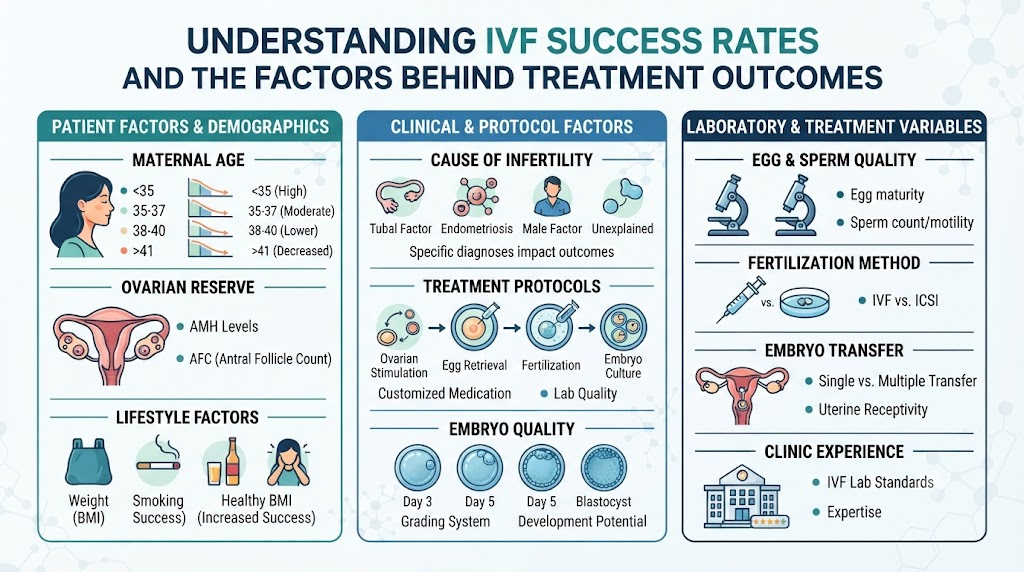
When researching fertility care, patients frequently encounter statistical data regarding IVF success rates. These figures represent the percentage of treatment cycles that result in a clinical pregnancy or live birth. However, interpreting these numbers requires careful context, as success rates are influenced by numerous variables:
- Age: Maternal age is one of the most significant factors affecting egg quality and overall treatment outcomes.
- Fertility Diagnosis: The underlying reason for seeking fertility care can alter expected outcomes.
- Embryo Quality: The developmental potential of the fertilized eggs plays a central role.
- Clinic and Laboratory Expertise: The technical skill of the embryology team and the quality of the laboratory environment are vital.
- Number of Previous Cycles: Past treatment history can provide insight into how an individual responds to protocols.
Success rates should never be viewed as a personal guarantee. Patients should always ask clinics how their specific statistics are calculated and whether the data reflects patient populations comparable to their own age and medical profile.
How to Compare Fertility Clinics
Choosing where to receive care is a major decision. To effectively compare fertility clinics, patients should look beyond marketing materials and evaluate objective clinical and operational factors:
- Specialist expertise and board certifications of the medical staff
- The technology, air filtration, and overall quality of the embryology laboratory
- Transparency in pricing, including itemized lists of potential extra fees
- Clear, standardized reporting of success rates broken down by patient age groups
- Communication style, accessibility of care teams, and emotional support services
- Convenience of location and availability of required treatment protocols
What to Look for When Choosing IVF Clinics
When narrowing down options among potential IVF clinics, patients should prioritize transparency, clinical excellence, and patient-centered communication. A reputable clinic will openly discuss potential risks, provide realistic expectations based on individual medical histories, and offer comprehensive explanations of treatment timelines. Ensuring that the clinical team takes the time to address all questions can greatly enhance comfort and confidence throughout the process.
IVF Abroad: Important Things to Consider
Some individuals and couples explore IVF abroad as an option due to potential cost differences, specialized treatment availability, or personal travel preferences. While international care can offer certain advantages, it also introduces unique challenges that require careful planning:
- Evaluating international medical standards and clinic accreditations
- Logistical planning for extended stays, visas, and local transport
- Managing language barriers and ensuring clear communication of medical records
- Arranging seamless pre-treatment monitoring and post-treatment follow-up care in your home country
- Factoring in travel insurance, currency exchange rates, and unexpected logistical expenses
Patients should carefully weigh the total financial and emotional investment of international travel against the quality and continuity of care provided.
Understanding IVF Cost by Country
When evaluating IVF cost by country, variations stem from local healthcare infrastructure, regulatory environments, labor costs, and pharmaceutical pricing. For instance, countries with heavily subsidized healthcare systems or different economic structures may present lower baseline treatment fees. However, patients must calculate total expenses—including international flights, long-term accommodation, medication procurement abroad, and potential follow-up care—to gain an accurate financial picture before making a commitment.
Egg Freezing and Fertility Preservation
Egg freezing (oocyte cryopreservation) is a medical method used to preserve a person’s reproductive potential for the future. Individuals may consider this option for medical reasons, such as prior to undergoing treatments that might impact fertility, or for personal reasons related to family-planning timelines.
The process involves ovarian stimulation, egg retrieval, and ultra-rapid freezing (vitrification) of the mature eggs for future thawing, fertilization, and transfer. While egg freezing offers greater reproductive flexibility, success depends heavily on the age at which the eggs are frozen and the total number of eggs successfully preserved.
Understanding ICSI Treatment
Intracytoplasmic sperm injection, commonly known as ICSI treatment, is an advanced procedure often performed in conjunction with IVF. During standard IVF, eggs and sperm are placed together in a petri dish for natural fertilization. In contrast, ICSI involves a fertility specialist or embryologist selecting a single, healthy sperm and injecting it directly into the center of a mature egg. ICSI is frequently recommended when there are severe male factor fertility issues, previous fertilization failure, or when utilizing previously frozen eggs or sperm. While it assists with the fertilization stage, it does not guarantee overall pregnancy success.
Exploring Different Fertility Treatment Options
Assisted reproduction encompasses a wide spectrum of medical interventions. Understanding the various fertility treatment options available helps patients engage in informed discussions with their healthcare providers:
- Fertility Medications: Hormonal therapies designed to stimulate ovulation.
- Intrauterine Insemination (IUI): Placing washed sperm directly into the uterus around the time of ovulation.
- In-Vitro Fertilization (IVF): Combining eggs and sperm in a laboratory before transferring an embryo.
- ICSI: Direct injection of a single sperm into an egg during IVF.
- Egg and Embryo Freezing: Preserving genetic material for future family planning.
- Third-Party Reproduction: Utilizing donor eggs, donor sperm, or gestational carriers when appropriate.
Fertility Treatment Options at a Glance
| Fertility Treatment Option | General Purpose | Important Consideration |
| Fertility Medications | Stimulate or regulate ovulation cycles | Requires regular monitoring via blood tests and ultrasounds |
| Intrauterine Insemination (IUI) | Places prepared sperm directly into the uterus | Less invasive than IVF; success rates vary by diagnosis |
| In-Vitro Fertilization (IVF) | Combines eggs and sperm in a lab; transfers resulting embryo | Involves multiple stages, including ovarian stimulation and egg retrieval |
| ICSI Treatment | Injects a single sperm directly into a mature egg | Often used for male factor infertility or previous fertilization challenges |
| Egg Freezing | Preserves unfertilized oocytes for future family planning | Success depends significantly on the age at the time of freezing |
| Embryo Freezing | Stores created embryos via cryopreservation for later transfer | Allows future transfer cycles without repeating egg retrieval |
| Donor-Assisted Treatment | Utilizes donor eggs, sperm, or embryos | Involves additional legal, ethical, and counseling considerations |
How to Prepare for a Fertility Clinic Consultation
Preparing for your first consultation with a fertility specialist can help ensure you make the most of your appointment. Consider gathering the following items and information:
- Complete personal and family medical histories
- Records of any previous fertility tests, evaluations, or treatments
- A list of current prescription medications, vitamins, or supplements
- A written list of specific questions regarding timelines, protocols, and costs
- Notes on your family-building goals and timeline preferences
Questions to Ask Before Choosing a Fertility Clinic
Before committing to a specific clinic or treatment plan, asking targeted questions can provide vital clarity:
- What specific diagnostic tests do you recommend for our situation?
- What treatment plan do you propose, and what are the reasons behind it?
- What is the total estimated IVF treatment cost, including medications and potential add-ons?
- How are your clinic’s IVF success rates calculated for patients in our age bracket?
- What laboratory facilities and quality control measures do you maintain?
- Who will be managing our day-to-day care and monitoring appointments?
- What follow-up support is available if a cycle is unsuccessful?
Common Mistakes Patients Should Avoid When Comparing Fertility Care
Navigating fertility care can be complex, and patients occasionally fall into common pitfalls during their research:
- Selecting a clinic based solely on the lowest advertised price without examining what is included.
- Reviewing success rates without understanding the underlying patient demographics and definitions.
- Overlooking hidden expenses such as medication markups, anesthesia fees, and storage costs.
- Assuming every patient follows the exact same standardized treatment protocol.
- Relying exclusively on unverified online reviews rather than clinical credentials and objective data.
Key Factors in Clinic Selection
| Clinic Comparison Factor | What to Check | Why It Matters |
| Treatment Cost | Itemized pricing and package inclusions | Prevents unexpected financial surprises during treatment |
| Success-Rate Reporting | Age-specific data and transparent calculation methods | Provides a realistic baseline of clinic performance |
| Specialist Expertise | Board certifications and reproductive endocrinology experience | Ensures care is guided by qualified professionals |
| Laboratory Facilities | Air quality controls, equipment standards, and embryology credentials | The lab environment directly impacts embryo development |
| Treatment Options | Availability of advanced procedures (ICSI, PGT, freezing) | Ensures your clinic can adapt your protocol if needed |
| Follow-Up Care | Support systems after positive or negative test results | Crucial for emotional well-being and planning next steps |
| Location | Proximity to your home or accommodation arrangements | Minimizes stress during frequent monitoring visits |
| Additional Costs | Fees for anesthesia, storage, and specialized lab work | Contributes to accurate budgeting for your cycle |
Who Can Benefit From Fertility Information Platforms?
Couples Exploring IVF
Couples beginning their research can utilize structured educational resources to understand complex medical terminology, grasp the step-by-step IVF process, and prepare thoroughly for their initial specialist consultations.
People Comparing Fertility Clinics
Evaluating multiple care providers becomes more manageable when readers have access to objective comparison factors, helping them focus on laboratory standards, specialist credentials, and transparent pricing.
Patients Researching Treatment Costs
Understanding the financial architecture of fertility care—separating baseline fees from medications and additional procedures—empowers patients to budget effectively and ask the right financial questions.
People Considering IVF Abroad
Individuals looking into international treatment options can review essential logistical, legal, and medical considerations to ensure they maintain high standards of safety and continuity of care.
People Exploring Fertility Preservation
Those researching egg freezing and related preservation technologies can find clear explanations of how age and individual biological factors influence long-term outcomes.
People Learning About Different Fertility Treatments
Educational guides help readers explore the spectrum of assisted reproductive technologies, from basic medications to advanced laboratory procedures, before speaking with a clinician.
Step-by-Step Guide to Researching Fertility Treatment
Step 1: Understand Your Fertility Concerns
Begin by gathering basic health background information and identifying any specific challenges or timelines you wish to address.
Step 2: Learn About Available Treatment Options
Familiarize yourself with the various forms of assisted reproduction, ranging from ovulation induction to IVF and ICSI.
Step 3: Research Suitable Fertility Clinics
Identify local or international clinics and review their medical staff, operational history, and institutional standards.
Step 4: Compare Treatment Costs
Request comprehensive, itemized financial sheets to understand baseline fees, medication estimates, and potential extra charges.
Step 5: Review IVF Success-Rate Information
Examine clinic success metrics while keeping patient age, diagnosis, and reporting transparency in mind.
Step 6: Check Clinic and Laboratory Details
Investigate the quality of the embryology laboratory and verify the professional credentials of the fertility specialists.
Step 7: Ask Questions During Your Consultation
Bring a structured list of questions to your medical appointment to clarify your personalized treatment outlook.
Step 8: Make a Decision With Qualified Medical Guidance
Collaborate closely with your chosen fertility specialist to finalize a treatment plan tailored specifically to your health and family-building goals.
Common Challenges When Researching IVF Treatment
Patients often encounter several obstacles when navigating online fertility resources:
- Information Overload: Sifting through vast amounts of medical jargon and conflicting online advice.
- Opaque Pricing: Encountering broad package estimates that do not disclose medication or lab add-on expenses.
- Varying Statistics: Trying to interpret success rates presented in different formats across various clinics.
- Logistical Complexity: Managing travel arrangements, legal regulations, and record transfers when considering international care.
Approaching research methodically and relying on verified medical literature helps mitigate these hurdles.
Best Practices for Fertility Clinic Research
- Consult more than one clinic to compare treatment philosophies and bedside manner.
- Look past promotional pricing to analyze the complete clinical and laboratory picture.
- Verify what specific services are included in written financial quotes.
- Examine success-rate data with proper demographic context.
- Prioritize open communication and patient-centered support structures.
- Discuss all findings and concerns directly with a qualified reproductive endocrinologist.
How to Evaluate Online Fertility Information Responsibly
When reading about reproductive health online, it is crucial to maintain a critical perspective:
- Always verify that the information originates from recognized medical organizations, government health agencies, or peer-reviewed journals.
- Ensure content is current and reflects modern clinical standards.
- Be cautious of websites or clinics promising guaranteed pregnancy outcomes or 100% success rates.
- Distinguish general educational content from personalized medical advice. Always consult a qualified physician for diagnoses and treatment recommendations.
Frequently Asked Questions
1. What factors affect IVF treatment cost?
Overall costs are influenced by clinic location, required medication dosages, diagnostic testing, laboratory fees, the number of cycles performed, and any specialized procedures such as ICSI or genetic testing.
2. How should patients understand IVF success rates?
Success rates should be evaluated with attention to patient age, underlying diagnosis, and laboratory standards. They represent historical averages rather than personal guarantees.
3. What should people check when choosing IVF clinics?
Patients should review specialist credentials, laboratory technology, pricing transparency, success-rate reporting, and the overall quality of patient communication.
4. How can patients compare fertility clinics?
Comparing clinics involves evaluating objective operational metrics, staff expertise, facility cleanliness, and the availability of personalized treatment plans.
5. What should patients consider before choosing IVF abroad?
Key considerations include international medical standards, travel logistics, language barriers, continuity of follow-up care, and total cost calculations.
6. Why can IVF cost by country vary?
Local healthcare economics, regulatory requirements, pharmaceutical pricing, and labor costs all contribute to differing baseline treatment expenses across international borders.
7. What is egg freezing?
Egg freezing is a fertility preservation method where mature oocytes are retrieved, vitrified, and stored for future use in family planning.
8. What is ICSI treatment?
ICSI is a specialized laboratory procedure where a single sperm is injected directly into a mature egg to assist with fertilization during an IVF cycle.
9. What fertility treatment options may be available?
Options range from ovulation-inducing medications and IUI to conventional IVF, ICSI, egg freezing, and third-party assisted reproduction.
10. What questions should patients ask before starting IVF treatment?
Patients should inquire about expected treatment timelines, recommended protocols, medication requirements, total costs, potential risks, and follow-up care procedures.
Conclusion
Embarking on a fertility journey requires patience, thorough research, and guidance from qualified professionals. By understanding the fundamentals of IVF treatment, evaluating costs and success rates within their proper context, and carefully comparing fertility clinics, patients can make informed choices tailored to their unique circumstances. While platforms like IVFHospitalsNow.com provide valuable educational information and discovery tools to help navigate these early steps, every family-building journey is distinct. Always consult a qualified fertility specialist to discuss your medical history, explore appropriate treatment options, and receive personalized advice suited to your health and goals.