
Introduction
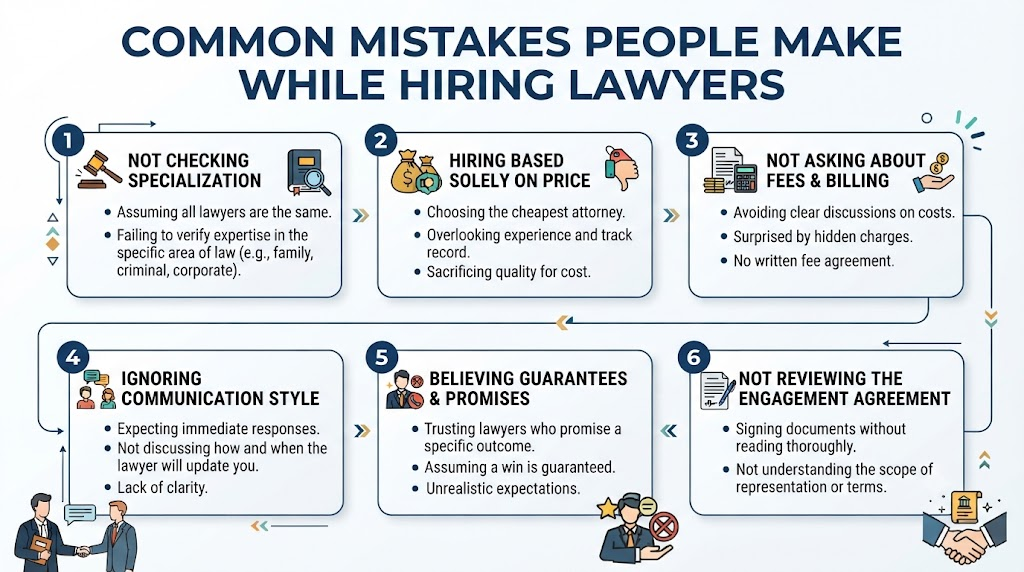
Finding yourself in a situation that requires legal assistance can feel overwhelming. Whether you are dealing with a sudden property dispute, a workplace disagreement, or a business contract issue, the need for professional guidance often arises unexpectedly. When faced with such challenges, many people feel a strong urge to resolve the matter as quickly as possible. This urgency can lead to rushing the process of finding and retaining legal representation. Without careful consideration, individuals often make avoidable errors that impact not only their legal strategy but also their financial peace of mind. Understanding the common pitfalls associated with legal representation helps you approach the process with greater clarity and confidence.
Understanding the Importance of Choosing a Lawyer Carefully
Hiring a legal professional is one of the most critical decisions you can make during a dispute, transaction, or defense. Legal matters involve intricate rules, strict procedural timelines, and significant personal or financial stakes. Different legal issues require distinct knowledge, experience, and strategic approaches. A lawyer who excels in corporate contracts may not possess the specific courtroom experience needed for a complex family dispute. Choosing the right legal counsel requires looking beyond surface-level impressions and examining how well a professional’s background aligns with your unique requirements. Taking the time to evaluate your options carefully ensures that your interests are represented by someone capable of handling your specific circumstances.
Hiring a Lawyer Without Understanding Your Legal Problem
Many people contact lawyers before clearly identifying the core of their own legal problem. When you approach a consultation without a firm grasp of the situation, it becomes difficult to explain what you need or to evaluate the advice you receive. Before reaching out to legal professionals, take time to outline the main issue, gather essential facts, and arrange your thoughts. For instance, someone involved in a property disagreement should collect purchase deeds, boundary notices, and correspondence with the other party. Similarly, an employee facing workplace issues should gather employment contracts, performance reviews, and written notices. A clear description of your problem helps a lawyer assess the situation accurately, saving time and ensuring that your initial consultation is productive.
Choosing a Lawyer Based Only on Low Fees
Cost is naturally a major consideration when retaining professional services, but selecting a legal representative based solely on the lowest price can lead to unexpected complications. Legal fees vary depending on the complexity of the matter, the scope of services, and the professional experience of the counsel. A very low fee quotation may exclude essential services, such as court filings, document drafting, or thorough negotiations, resulting in additional unexpected expenses later. Instead of focusing only on the bottom line, examine what each fee quotation actually includes and compare the overall value and depth of service provided by different professionals.
Ignoring Relevant Legal Experience
General legal knowledge is valuable, but relevant experience in a specific area of law is often crucial for achieving a favorable outcome. Legal practice covers numerous specialized fields, including family law, real estate, labor regulations, intellectual property, and civil litigation. Working with a lawyer who frequently handles cases similar to yours ensures familiarity with common procedural hurdles, typical negotiation tactics, and relevant local regulations. When evaluating potential counsel, ask about their experience with matters of a similar nature, while keeping in mind that past results do not guarantee future outcomes.
Failing to Verify Professional Credentials
One of the most significant oversights people make is failing to check a lawyer’s professional credentials and licensing status. Professional authorization confirms that an individual has completed the required education, passed necessary examinations, and remains in good standing with the appropriate governing bodies. Requirements and registration procedures vary across different regions and jurisdictions. For instance, in India, lawyers must be enrolled with the relevant State Bar Council and hold a valid Certificate of Practice. Relying solely on online advertisements or social media profiles without verifying official credentials can expose you to unqualified individuals posing as legal professionals.
Choosing a Lawyer Only Because of Recommendations
Recommendations from friends, family members, or business associates serve as useful starting points when beginning your search. However, a lawyer who performed exceptionally well for a colleague in a corporate contract dispute may not be the ideal choice for a residential property matter. Every legal situation is unique, involving different facts, opposing parties, and governing laws. While personal recommendations offer helpful insight into a professional’s general demeanor and reliability, you should still evaluate their specific experience, communication style, availability, and fee structure against your own needs.
Relying Only on Online Ratings and Reviews
Digital platforms provide a wealth of client feedback, ratings, and reviews that can help you gauge a lawyer’s general reputation. However, relying entirely on star ratings or brief testimonials can be misleading. Online reviews often reflect subjective experiences or individual expectations rather than comprehensive legal competence. Look for detailed feedback that highlights consistent traits, such as responsiveness, clarity, and professionalism. Always weigh online ratings alongside verifiable credentials, direct consultations, and relevant professional experience.
Ignoring Communication Style
Effective communication forms the foundation of a successful working relationship between a client and their legal representative. During your initial interactions, pay close attention to how the lawyer explains complex concepts, listens to your concerns, and answers your questions. Poor communication can lead to misunderstandings regarding deadlines, document submissions, fee structures, and case developments. A suitable lawyer should communicate clearly, avoid unnecessary legal jargon, and set realistic expectations about the timeline and procedures involved in your matter.
Not Asking Questions During the First Consultation
An initial consultation is a two-way conversation designed to help both you and the lawyer determine if working together is a suitable fit. Many clients leave their first meeting without asking essential questions due to nervousness or unfamiliarity with the process. To make the most of this meeting, prepare a list of questions in advance. Inquire about the lawyer’s relevant experience, potential legal strategies, expected timelines, associated costs, and the primary point of contact for day-to-day communication. Asking these questions early helps prevent confusion and ensures you feel confident in your choice.
Misunderstanding Legal Fees and Payment Terms
Financial transparency is essential to avoid stress and disputes as your legal matter progresses. Legal fees can be structured in various ways, including flat fees for specific tasks, hourly billing for ongoing litigation, or retainers for continuous advisory services. Additionally, matters often involve supplementary costs such as court filing fees, administrative charges, document duplication, and expert consultation expenses. Always ask for a clear, written breakdown of what is included in the quoted fee and what expenses will be billed separately.
Failing to Discuss the Scope of Legal Services
Assuming that a lawyer will handle every aspect of your dispute can lead to misunderstandings. Legal representation can encompass various services, including initial consultation, formal drafting of legal notices, negotiation representation, court appearances, and post-settlement support. You must confirm the exact scope of services agreed upon before moving forward. If additional tasks arise later, you can establish separate agreements to ensure everyone remains aligned on responsibilities and costs.
Expecting Guaranteed Legal Results
The legal system involves numerous variables, including evidence admissibility, statutory interpretations, court schedules, and the actions of opposing parties. Because of these unpredictable elements, responsible lawyers do not guarantee specific outcomes, such as a guaranteed win in court or an exact settlement amount. Be cautious of any professional who promises a guaranteed result or quick resolution. A trustworthy legal representative will discuss potential options, probable risks, and realistic expectations based on the facts of your case.
Ignoring Availability and Workload
Even an exceptionally skilled lawyer may not be able to assist you effectively if their current workload prevents them from giving your case adequate attention. Inquire about their current caseload, upcoming court appearances, and typical response times for client inquiries. Furthermore, ask whether you will work directly with the primary lawyer or if associates and junior staff members will handle day-to-day tasks. Knowing who manages your file helps you maintain realistic expectations regarding communication and updates.
Not Sharing Complete and Accurate Information
Some clients withhold details they consider embarrassing, unfavorable, or irrelevant during consultations. However, incomplete or inaccurate information can severely undermine your legal strategy. Lawyers need a complete and truthful account of all facts, documents, and communications related to your issue to provide accurate guidance and anticipate opposing arguments. Rest assured that communications with your legal counsel generally remain confidential, making it safe and necessary to share all relevant details openly.
Failing to Organize Important Documents
Disorganized paperwork can slow down the initial consultation and delay the preparation of your legal documents. Before meeting with a lawyer, gather and arrange all relevant records chronologically. This collection may include contracts, emails, text messages, financial statements, official notices, and identification papers. Creating a clear timeline of events along with your organized documents enables the lawyer to review the facts efficiently and formulate an informed assessment of your situation much faster.
Ignoring Confidentiality and Privacy
Privacy is a cornerstone of the legal profession. When sharing personal, financial, or business documents, ensure that you use secure channels recommended by the lawyer’s office. Understand how your information will be stored, who will have access to your files, and how digital records are protected. While professional standards require lawyers to maintain client confidentiality, verifying their secure communication practices provides additional peace of mind during sensitive legal proceedings.
Hiring a Lawyer Without Understanding the Agreement
Before retaining a lawyer, you will typically receive an engagement letter or fee agreement detailing the terms of representation. Skipping through this document without reading it carefully can lead to disputes regarding payment obligations, scope of work, communication policies, or termination conditions. Take the time to read every section thoroughly, and do not hesitate to ask for clarification on unfamiliar clauses before signing the agreement.
Choosing a Lawyer Without Considering Location or Jurisdiction
Laws, regulations, and court procedures often vary significantly by region, state, or country. A legal professional licensed and experienced in one jurisdiction may not be authorized or equipped to handle matters governed by the laws of another area. When searching for legal help, confirm that the lawyer actively practices within the specific jurisdiction where your dispute or transaction takes place, ensuring they understand local court rules and administrative procedures.
Delaying the Hiring Decision Until an Important Deadline
Postponing the search for legal help can severely limit your options and jeopardize your position. Many legal matters involve strict limitation periods, response deadlines for legal notices, or scheduled hearing dates. Waiting until the last minute forces you to rush your decision-making process and leaves the lawyer with insufficient time to prepare an effective strategy. Seek qualified guidance promptly whenever you receive a legal notice or recognize that a time-sensitive issue requires professional attention.
Failing to Understand the Lawyer’s Role
A common misconception is that hiring a lawyer completely removes your responsibility for the matter. While legal professionals provide advice, draft documents, represent you in negotiations, and manage court procedures, clients also have vital duties. These responsibilities include providing accurate information, supplying requested documents promptly, responding to communications, and making informed final decisions regarding settlement offers or legal strategies. A successful legal outcome relies on a collaborative partnership between you and your counsel.
Choosing a Lawyer Without Comparing Suitable Options
Relying on the very first lawyer you contact without exploring other alternatives can prevent you from finding the best match for your needs. Compare a small, manageable number of relevant professionals by evaluating their experience, communication styles, fee structures, and professional backgrounds. Comparing suitable options ensures that your final decision is based on a well-rounded assessment of who can best represent your interests rather than mere convenience.
Not Discussing Updates and Case Communication
Uncertainty about case progress is a common source of anxiety for clients. To prevent frustration, establish clear expectations regarding updates during your initial discussions. Agree on the preferred method of communication, whether through scheduled calls, emails, or client portals, and establish expected response times for routine inquiries. Knowing when and how you will receive progress reports helps maintain transparency and trust throughout the legal process.
Hiring a Lawyer Without Considering Personal Comfort
Professional qualifications and relevant experience are paramount, but personal comfort and trust are equally important in a lawyer-client relationship. You should feel comfortable discussing sensitive facts, asking questions, and expressing concerns without feeling judged or dismissed. When professional competence is paired with mutual respect and open rapport, the entire legal experience becomes more manageable and productive.
Common Mistakes to Avoid When Hiring Lawyers
| Mistake Category | Why It Matters | How to Avoid It |
| Choosing Based Only on Low Fees | May result in hidden costs or exclude essential legal services. | Compare complete fee structures and understand what services are included. |
| Ignoring Relevant Experience | General practitioners may lack familiarity with specific legal nuances. | Look for lawyers with a proven track record in your specific legal area. |
| Failing to Verify Credentials | Risks working with unqualified individuals or unlicensed practitioners. | Check official registration and licensing bodies before retaining counsel. |
| Trusting Ratings Alone | Online reviews can be subjective and do not guarantee legal expertise. | Combine online research with direct consultations and credential checks. |
| Overlooking Communication | Poor communication creates misunderstandings and missed deadlines. | Assess responsiveness and clarity during your initial consultation. |
| Expecting Guaranteed Results | Unrealistic expectations lead to disappointment and frustration. | Discuss probable risks and realistic outcomes with your legal counsel. |
| Signing Without Reading | Leads to disputes over scope of work, fees, and responsibilities. | Read engagement letters carefully and clarify unfamiliar terms before signing. |
How to Hire a Lawyer More Carefully
Approaching the process of hiring a legal professional with a structured plan helps you avoid common pitfalls and find the right guidance for your situation.
- Identify Your Legal Needs: Clearly outline the nature of your dispute or transaction, gather relevant documents, and organize a chronological timeline of events before reaching out to professionals.
- Search and Filter: Look for lawyers who specialize in your specific area of law and operate within the appropriate jurisdiction.
- Verify Credentials: Check official professional registers and licensing authorities to ensure the lawyer is fully authorized to practice.
- Compare Options: Reach out to a small selection of qualified candidates to discuss their experience, availability, and service scope.
- Prepare Consultation Questions: Write down key questions regarding strategy, timelines, costs, and communication methods to ask during your initial meetings.
- Clarify Fees and Agreements: Request a written fee agreement that details all potential costs and confirm the exact scope of services before signing.
How BestLawyerNow Can Explore Legal Services
Navigating the initial stages of finding legal assistance can be challenging when you do not know where to look. Platforms like BestLawyerNow provide structured resources designed to help users discover legal professionals, review professional profiles, and explore consultation options. By organizing relevant legal information and professional listings in one accessible location, these tools simplify your initial research phase. Comparing professional backgrounds and service details before making direct contact helps you approach your legal journey with greater confidence and preparation.
Important Things to Remember Before Hiring a Lawyer
Retaining a legal professional is a significant step that requires careful thought, preparation, and realistic expectations. Always prioritize relevant experience and verified professional credentials over attractive fees or unverified online ratings. Establish clear communication channels, review engagement agreements thoroughly, and organize your documents before your initial consultation. Taking these proactive measures ensures that you build a productive working relationship with a legal professional who is well-equipped to protect your interests.
Frequently Asked Questions
How do I know if I actually need a lawyer for my situation? If your matter involves potential legal liability, formal contracts, regulatory disputes, court notices, or significant financial stakes, consulting a qualified lawyer is strongly recommended to protect your rights and explore your options.
Why is general legal experience sometimes not enough? Different fields of law involve unique statutes, court rules, and precedents. A lawyer who specializes in your specific type of issue will understand the procedural nuances and strategic approaches required for that particular area.
How can I verify a lawyer’s professional credentials? You can check official licensing authorities, state bar associations, or relevant regulatory bodies in your jurisdiction to confirm that the lawyer holds a valid, active license to practice law.
What should I expect during an initial legal consultation? An initial consultation is an opportunity to discuss the basic facts of your case, evaluate potential legal options, understand estimated timelines, and discuss fee structures and service scopes.
Are online ratings and client reviews reliable indicators of lawyer quality? Online reviews offer helpful insights into a lawyer’s general communication and client service, but they should be considered alongside verified credentials, direct consultations, and relevant professional experience.
What types of fee arrangements do lawyers commonly use? Lawyers may charge flat fees for specific tasks, hourly rates for ongoing litigation, or retainers for continuous advisory services, alongside supplementary costs for administrative tasks and court filings.
Should I ask for a fee agreement in writing? Yes, always request a written engagement letter or fee agreement that clearly outlines the scope of work, billing rates, payment terms, and potential additional expenses before retaining legal services.
What information should I bring to my first meeting with a lawyer? Bring all relevant documents, contracts, correspondence, notices, receipts, and a clear chronological timeline of events to help the lawyer assess your situation accurately.
Can any lawyer guarantee a successful outcome in court? No responsible lawyer can guarantee a specific outcome because legal proceedings involve unpredictable variables, including court decisions, evidence admissibility, and opposing actions.
How can online legal directories assist in my search? Online legal directories help you discover verified professional profiles, compare practice areas, review office locations, and explore consultation options to begin your search efficiently.
Conclusion
Avoiding common mistakes when hiring legal representation requires patience, careful research, and realistic expectations. By looking beyond low fees and unverified ratings, and instead focusing on relevant experience, professional credentials, transparent costs, and clear communication, you can make informed decisions that protect your interests. Taking the time to prepare your documents and questions before a consultation ensures a productive start to your legal journey. Platforms like BestLawyerNow offer helpful ways to explore lawyer profiles and consultation options as you begin your search. Approach the hiring process with careful preparation, and seek timely professional guidance whenever a legal matter requires expert attention.